From Diesel to Daylight: The Environmental Stakes of Kaduna's 35MWp Solar Substation Project
Focus: Environmental Perspective | REA 35MWp Solar at Green Economic Zone, Maraban Jos | 50-60 GWh/year Estimate | Net-Zero 2060 & Energy Transition Plan
In May 2021, Nigeria's Rural Electrification Agency awarded about US$46.2 million for the 35MWp solarization of the 330/33kV substation at the Green Economic Zone in Maraban Jos, Kaduna State — marketed as Nigeria's first "green" economic zone. What does a solar installation of this size mean for the environment?
An Abundant Resource: Northern Nigeria's Sunshine
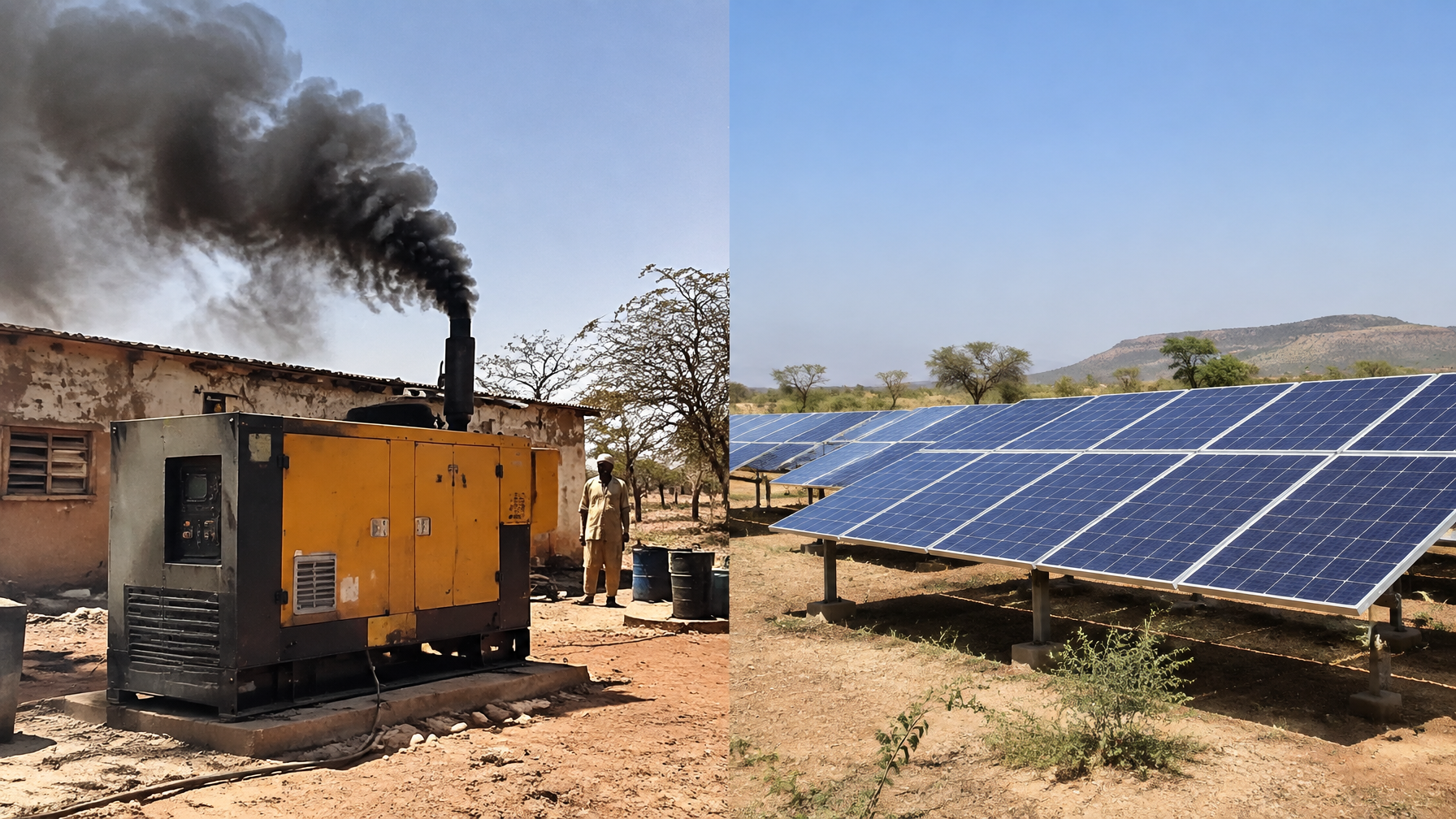
Northern Nigeria receives strong sunshine for much of the year, making it one of the country's best regions for solar energy. A 35MWp plant in this climate could plausibly generate somewhere in the range of 50 to 60 gigawatt-hours of electricity a year. This is an indicative estimate based on typical regional conditions, not an official project figure, and actual output will depend on system design, maintenance and weather.
Displacing Fossil Fuels: Cutting Tens of Thousands of Tonnes of CO₂
In Nigeria, the main alternatives to solar are grid power, which relies heavily on natural gas, and private diesel or petrol generators, which businesses widely use to cope with outages. Every unit supplied by the sun instead of a generator avoids fuel combustion and carbon dioxide. Depending on what the solar output replaces, a plant of this size could avoid emissions on the order of tens of thousands of tonnes of CO₂ each year — again a rough estimate to show scale.
Cleaner Local Air and Quieter Surroundings
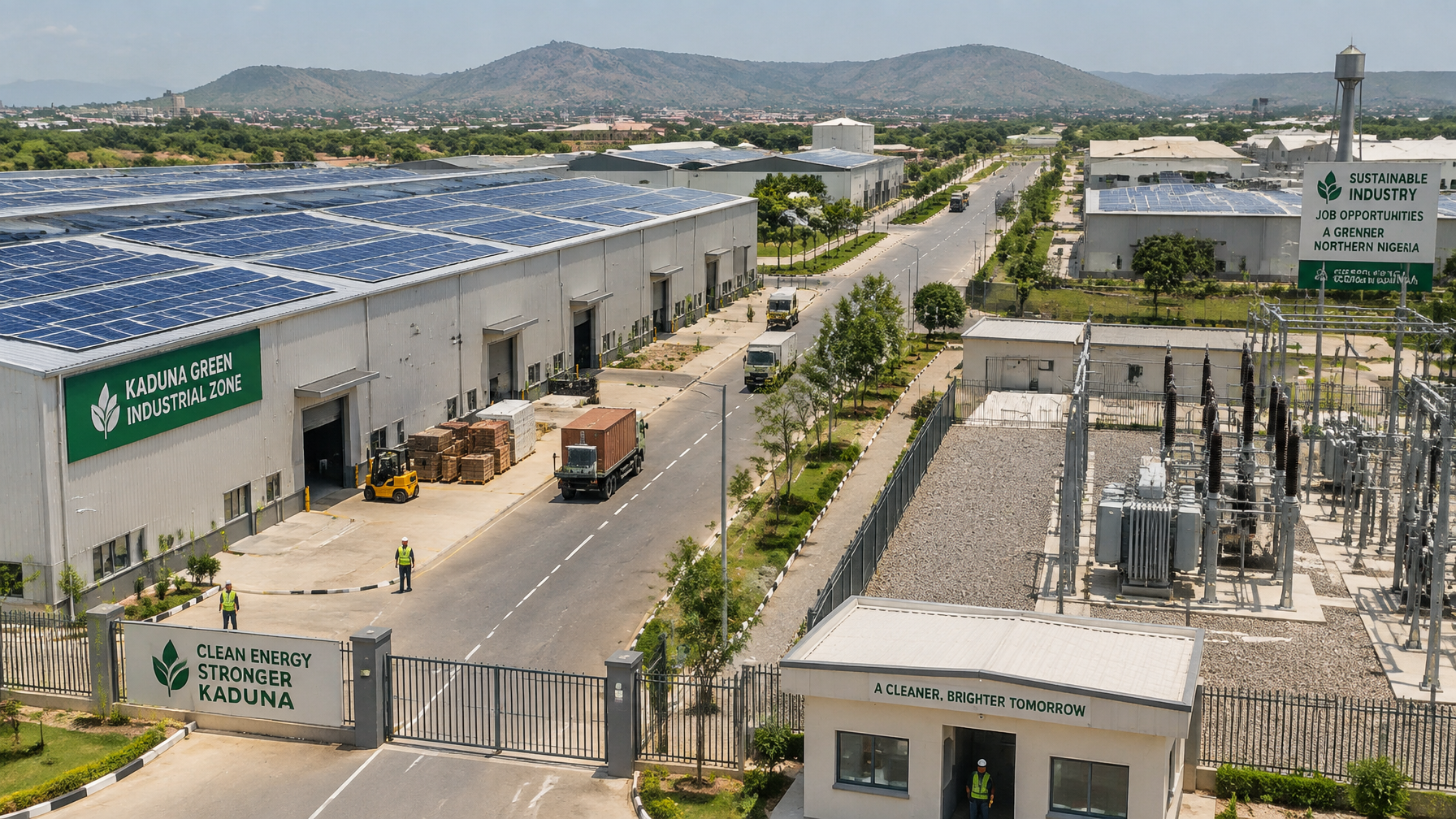
The climate benefit is only part of the story. Generators are a significant source of local air pollution, noise and fuel spills in Nigerian cities and industrial areas. Emissions of fine particles and other pollutants from diesel engines are linked to respiratory and cardiovascular illness. An industrial zone that relies more on solar and less on generators can offer cleaner air and quieter surroundings for workers and nearby residents.
Alignment with National Climate Goals
Nigeria has committed to reaching net-zero emissions by 2060 and has adopted an Energy Transition Plan that places solar at the centre of expanding electricity access. Projects under the Nigeria Electrification Project, of which this award is part, contribute to that transition while also addressing the access gap. The GEZ project demonstrates how renewable generation can be integrated at substation and industrial scale, not only in rural mini-grids.
Environmental Challenges to Manage
Solar power is clean at generation, but not without impacts:
- Land use: 35MWp requires substantial area — choice and management matter for farming, drainage and ecosystems
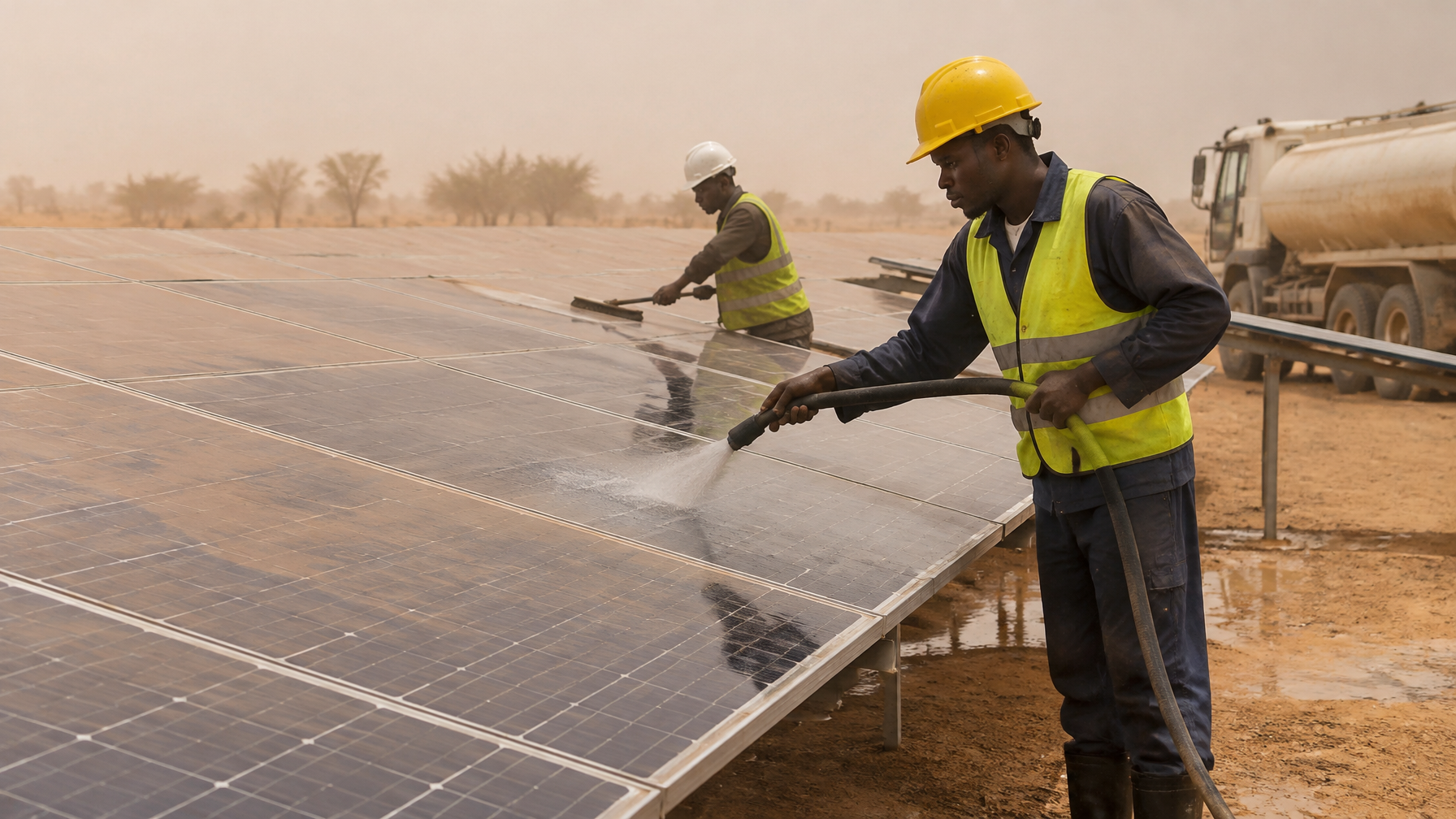
- Water & Harmattan dust: Panels need periodic cleaning; dust reduces output, cleaning uses water
- End-of-life: After 25+ years, panels, inverters and batteries must be recycled responsibly — Nigeria is still developing solar waste systems
- Construction impacts: Vegetation clearance, dust, traffic, waste — managed under environmental and social safeguards (expected for World Bank/AfDB-backed programmes)
The Bottom Line: Industrial Growth and Cleaner Energy Together
The 35MWp solar project at the Green Economic Zone is a practical example of harnessing one of Nigeria's most abundant natural resources. Its environmental value lies in replacing polluting generators, cutting emissions and showing industrial growth and cleaner energy can go together. Realising that value fully depends on responsible land use, good maintenance and planning for the plant's entire life cycle.
Project & Environmental At-A-Glance
| Item | Details |
|---|---|
| Location | Green Economic Zone, Maraban Jos, Kaduna State |
| Capacity | 35MWp solarization of 330/33kV substation |
| Indicative Output | 50-60 GWh/year (regional estimate, not official) |
| Avoided Emissions | Tens of thousands of tonnes CO₂/year (if displacing diesel/gas) |
| Climate Commitment | Nigeria net-zero by 2060; Energy Transition Plan |
Frequently Asked Questions
Q: How much power will the Maraban Jos solar plant produce?
Indicatively 50-60 GWh/year in Northern Nigeria's high sunshine, depending on design, maintenance and weather. Not an official REA figure.
Q: Does solar really cut emissions if Nigeria uses gas?
Yes. Displacing diesel generators avoids the most polluting source; even vs gas, solar avoids combustion emissions. Local air quality also improves.
Q: What environmental downsides should be managed?
Land selection, water for cleaning in Harmattan, dust soiling, construction safeguards, and end-of-life recycling after 25+ years.
Based on REA Notification of Award (Ref: REA-NEP/C/EEI/25/18, dated 10 May 2021). Output and emissions figures are indicative estimates, not official data. Consult rea.gov.ng for latest status. Sources: REA 10 May 2021; Green Economic Zone gez.com.ng; BusinessDay Feb 2024; Afrobarometer AD814.

Comments
Post a Comment